
Get Gas Pipe Trenching in Seattle, WA
Gas pipe trenching services help Seattle property owners safely install, repair, or replace underground gas lines for appliances, heating systems, and outdoor projects.
Gas pipe trenching is an essential step for property owners in Seattle, WA planning to install or upgrade natural gas lines for heating, appliances, or outdoor utilities. Proper trenching ensures the safe and efficient placement of gas pipes, helping to prevent future issues and meet local regulations. Exploring options with experienced contractors in the area can provide clarity on the best approaches for your project, whether it involves new installations or repairs. By comparing local service providers, property owners can find the right expertise to support their planning process and ensure the work is completed to standard.
Understanding the practical reasons for gas pipe trenching can help property owners make informed decisions about their projects. From preparing for home upgrades to installing outdoor cooking or heating systems, trenching is a key step in bringing these improvements to life. Local contractors familiar with Seattle’s specific requirements and conditions can offer valuable insight, making it easier to evaluate options and select the right professionals for the job. Keep reading to discover how trusted service providers can assist with your gas pipe trenching needs.
- Residential Gas Line Installation - needed when adding new appliances or upgrading existing gas connections in homes across neighborhoods like Capitol Hill or Queen Anne.
- Commercial Gas Pipe Trenching - required for businesses in urban areas such as downtown Seattle when installing or expanding gas infrastructure.
- Underground Gas Line Repair - necessary when detecting leaks or damage in gas pipes beneath driveways or yards in residential communities.
- Gas Pipe Replacement - needed for older properties in areas like Ballard or West Seattle to ensure safe and reliable gas service.
- Gas Line Extension Services - useful for expanding existing gas systems to new buildings or outdoor kitchens in residential or commercial projects.
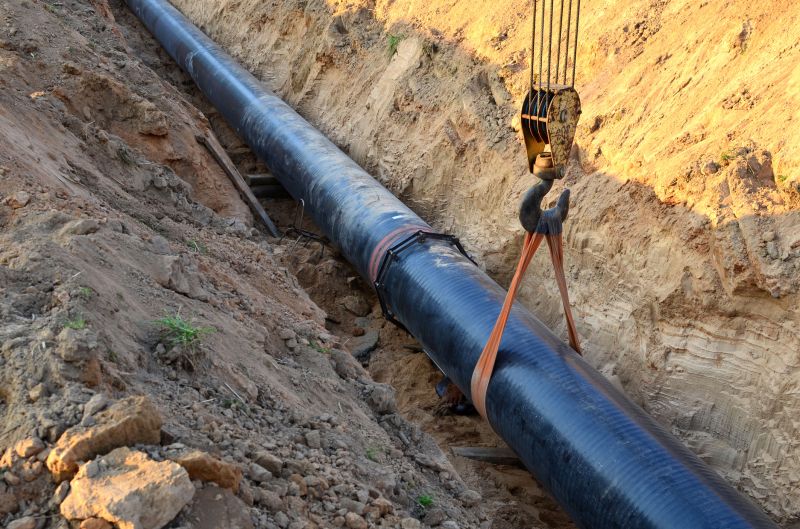
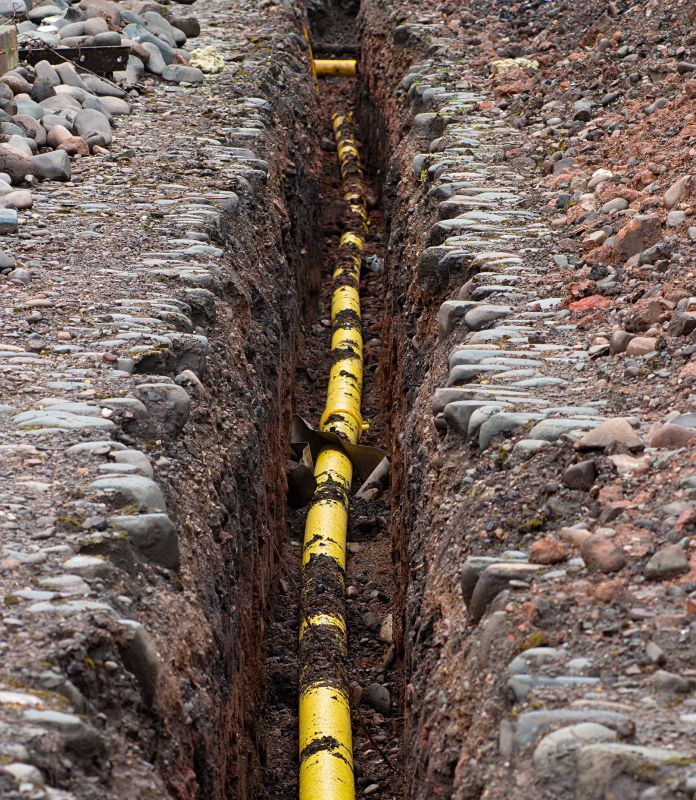
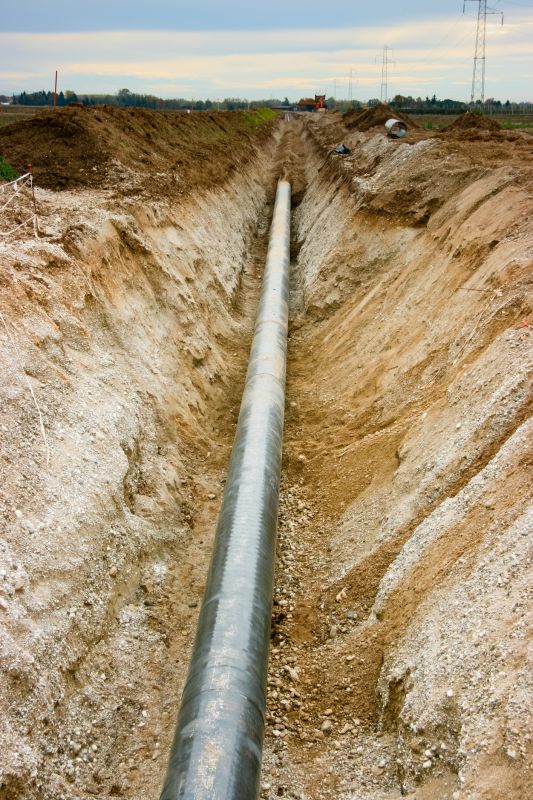
Gas pipe trenching services involve excavating a narrow, carefully planned trench in the ground to lay or replace underground gas lines. This process typically requires digging along the property’s landscape to create a safe pathway for the new or existing gas pipes. Trenching is performed using specialized equipment to ensure precise, controlled excavation, minimizing disruption to the surrounding area. Once the trench is prepared, the gas lines are installed securely within it, and the ground is backfilled and restored to its original condition. This service is essential for establishing a reliable connection between the main gas supply and a property’s appliances or systems.
This service helps resolve various problems related to outdated, damaged, or improperly installed gas lines. Over time, underground gas pipes can corrode, develop leaks, or become inaccessible for repairs. Trenching allows for the replacement of old pipelines, reducing the risk of gas leaks or other safety hazards. It also enables the installation of new gas lines for additional appliances or upgrades, ensuring that the property’s gas system is safe and efficient. Proper trenching and installation are critical for maintaining the integrity of the gas supply and preventing costly repairs or safety issues down the line.
Properties that typically use gas pipe trenching services include residential homes, multi-family dwellings, and commercial buildings that rely on natural gas for heating, cooking, or other utilities. Homes with older gas lines may require trenching to replace aging infrastructure or to upgrade to newer, more durable piping. Commercial properties, such as restaurants or industrial facilities, often need trenching when expanding their gas systems or installing new appliances. In some cases, property owners may also require trenching for emergency repairs or to address issues caused by shifting soil, landscaping projects, or construction work nearby.
Homeowners and property managers should consider gas pipe trenching services when planning major renovations, repairs, or upgrades involving underground gas lines. If there are signs of leaks, corrosion, or inconsistent gas pressure, trenching can provide a safe way to inspect and replace problematic pipes. Additionally, if a property is being connected to a municipal gas supply for the first time or expanding its gas usage, trenching is a necessary step to ensure proper installation. Connecting with experienced local contractors can help ensure the trenching work is done correctly, safely, and in accordance with local standards and regulations.
The overview below groups typical Gas Pipe Trenching projects into broad ranges so you can see how smaller, mid-sized, and larger jobs often compare in Seattle, WA.
In many markets, a large share of routine jobs stays in the lower and middle ranges, while only a smaller percentage of projects moves into the highest bands when the work is more complex or site conditions are harder than average.
Smaller Repairs - Typical costs for minor gas pipe trenching projects in the Seattle area range from $250 to $600. Many routine jobs fall within this middle range, covering tasks like replacing short sections of pipe or repairing small sections. Fewer projects will extend into higher cost brackets.
Standard Installations - For standard trenching to install new gas lines, local contractors often charge between $1,000 and $2,500. Larger, more involved projects that require extensive trenching or additional permits can reach $3,000 or more, but these are less common.
Full Replacement - Complete gas pipe replacements or rerouting projects typically cost between $3,500 and $7,000. Such larger jobs are less frequent and usually involve complex excavation, longer trench runs, or difficult site conditions.
Complex or Large-Scale Projects - Extensive trenching for commercial or multi-unit properties can exceed $10,000, depending on scope and site specifics. These projects are relatively rare and often involve significant planning and coordination with local authorities.
Actual totals will depend on details like access to the work area, the scope of the project, and the materials selected, so use these as general starting points rather than exact figures.
Utility Line Installation - local contractors often perform trenching to install various utility lines, including gas, water, and electrical conduits, requiring similar excavation skills.
Drainage System Excavation - trenching is essential for laying drainage pipes and systems, which involves planning and precise digging comparable to gas pipe trenching.
Foundation Footing Trenching - preparing trenches for building foundations involves similar planning and excavation techniques used in gas pipe installation projects.
Irrigation System Installation - trenching is used to lay underground irrigation lines, requiring careful planning and excavation similar to gas piping work.
Fiber Optic Cable Trenching - installing underground fiber optic cables involves trenching skills and planning comparable to those used in gas pipe projects.
Electrical Conduit Trenching - laying electrical conduits underground requires trenching expertise that aligns with the techniques used in gas pipe excavation.
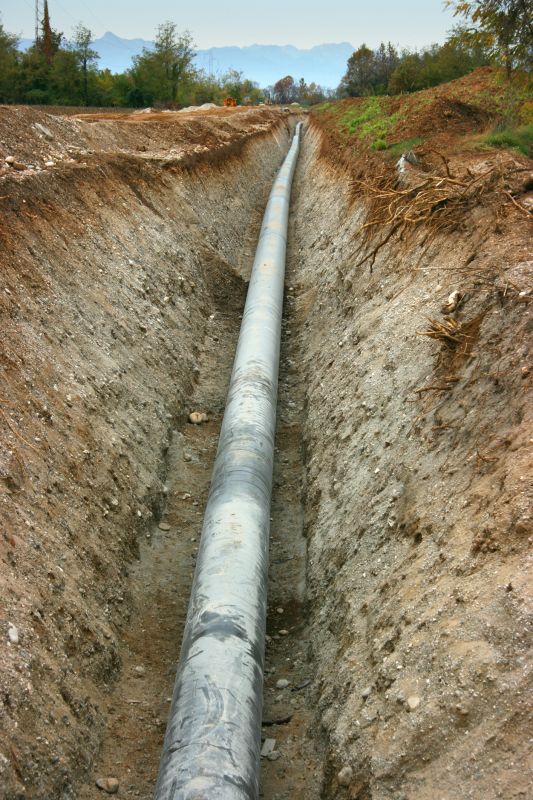
When evaluating contractors for gas pipe trenching projects, it’s important to consider their experience with similar types of work. Homeowners should look for service providers who have a proven track record of completing trenching jobs comparable in scope and complexity to the project at hand. Asking for examples of past work or references from previous clients can provide insight into their familiarity with local conditions and specific requirements, helping ensure the chosen contractor understands the nuances of trenching in the Seattle area.
Clear, written expectations are essential to a successful project. Homeowners should seek out service providers who can provide detailed descriptions of the work scope, materials, and procedures in writing. This documentation helps prevent misunderstandings and ensures everyone is aligned on the project’s goals and deliverables. Establishing transparent communication upfront can also facilitate smoother coordination and provide a reference point should questions or issues arise during the trenching process.
Reputable references and good communication are key indicators of a reliable contractor. Homeowners are encouraged to ask for references from previous clients to verify the quality of work and professionalism. Additionally, service providers who communicate promptly, clearly, and consistently tend to be more responsive to questions and concerns. While the site introduces homeowners to local options, it’s important to remember that these service providers handle the work directly. Comparing local contractors based on their experience, clarity of expectations, and communication practices can help ensure a positive and successful trenching project.
Property owners in Seattle, WA use Gas Pipe Trenching services for practical projects around their homes and businesses. This guide focuses on everyday jobs and straightforward project options.
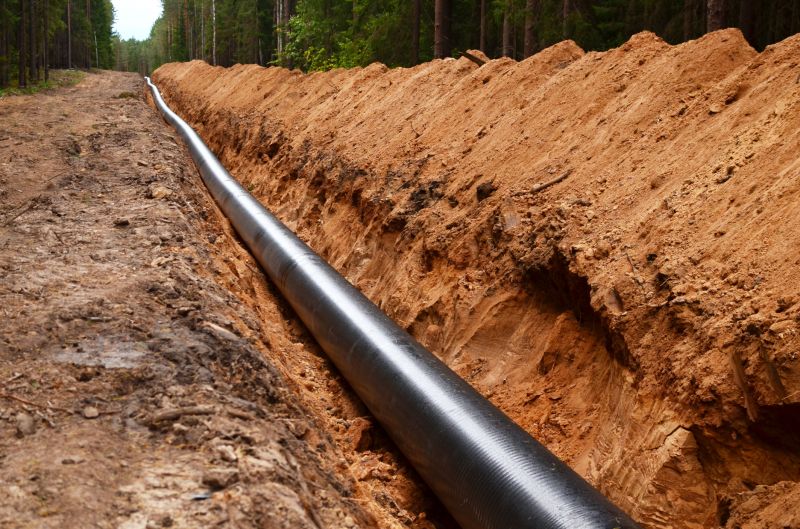
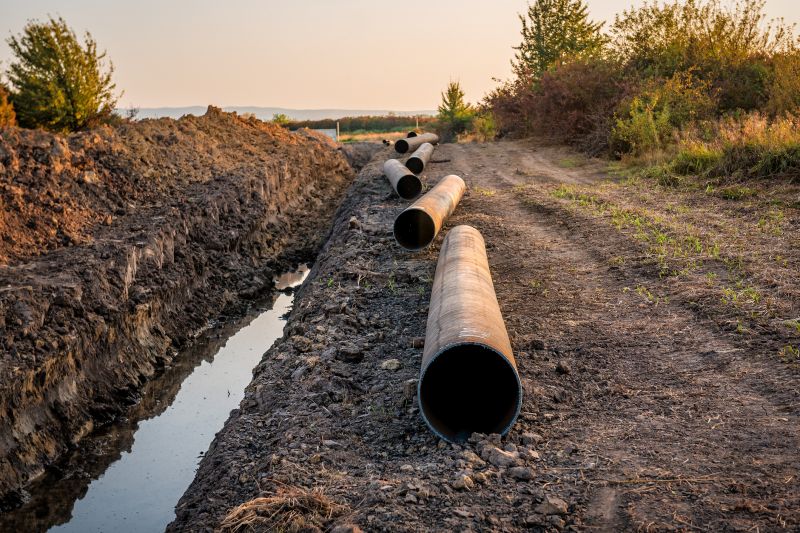
Gas pipe trenching services are commonly needed when property owners in Seattle are installing new gas lines for appliances such as furnaces, water heaters, or outdoor grills. Whether upgrading an existing system or adding a new connection, local contractors can handle the excavation work required to safely lay or replace underground gas pipes. This type of work is often necessary during home renovations, new construction projects, or when addressing outdated or damaged piping that may no longer meet safety standards.
Property owners may also seek gas pipe trenching to reroute lines around existing structures or to prepare for future upgrades. In areas where underground utilities are common, having a professional trench the gas lines ensures the work is done correctly and efficiently. Local service providers can assist with these projects, providing the expertise needed to navigate Seattle’s underground infrastructure while minimizing disruption to the property.
What is gas pipe trenching? Gas pipe trenching involves digging a narrow, precise trench to install or replace underground gas lines safely and efficiently.
Why might trenching be necessary for gas lines? Trenching is needed to access, repair, or extend underground gas pipelines, ensuring proper placement and safety compliance.
How do local contractors perform gas pipe trenching? Skilled service providers use specialized equipment to carefully excavate trenches, minimizing disruption to surrounding areas.
Are there different types of trenching methods for gas lines? Yes, options include traditional open trenching and trenchless methods, depending on site conditions and project requirements.
What should be considered before starting gas pipe trenching? Factors like soil type, existing underground utilities, and access points are important for planning a safe and effective trenching process.
Gas Pipe Installation - Property owners planning to add new gas appliances can work with local contractors to install underground gas lines safely and efficiently.
Utility Line Repair - When gas lines develop leaks or damage, local service providers can handle trenching and repairs to restore safe and reliable gas service.
Garden and Landscaping Projects - Trenching services can be used to run gas lines for outdoor lighting, fire pits, or appliances, enhancing outdoor living spaces.
Property Renovations - During home renovations, local contractors can trench to replace or upgrade existing gas piping systems for improved safety and performance.
If you are thinking about Gas Pipe Trenching for a property in Seattle, WA, this guide is meant to help you understand the work, the typical project types, and how different options might fit your plans.
When you are ready, you can use the quote form on this page to share a few details about your project. From there, local pros can review the basics and respond with options that match what you have in mind.