
Cost of Trench Installation in Seattle, WA
Trench installation services in Seattle, WA, typically vary in cost depending on factors such as the scope of the project, materials used, labor requirements, and site-specific conditions. These elements can influence the overall pricing, making each project unique. Understanding these variables can help in comparing options and estimating potential expenses more accurately.
Final pricing for trench installation is often determined after assessing the specific site conditions and project details. It is advisable to obtain multiple quotes that consider the scope, materials, and site challenges to better understand the range of costs involved. This approach can assist in making informed decisions based on typical project considerations in the Seattle area.
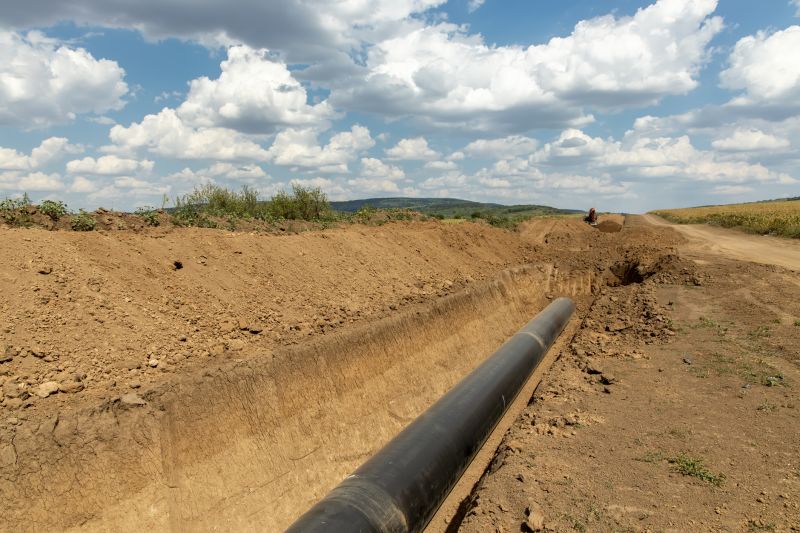
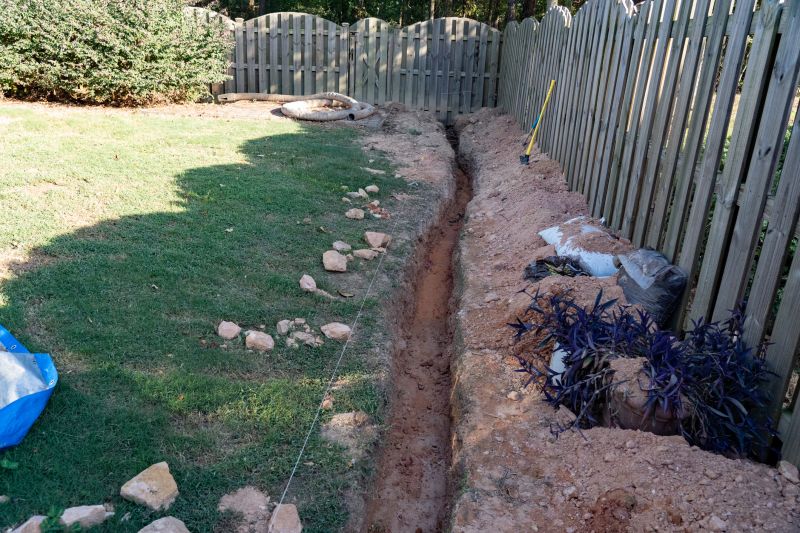
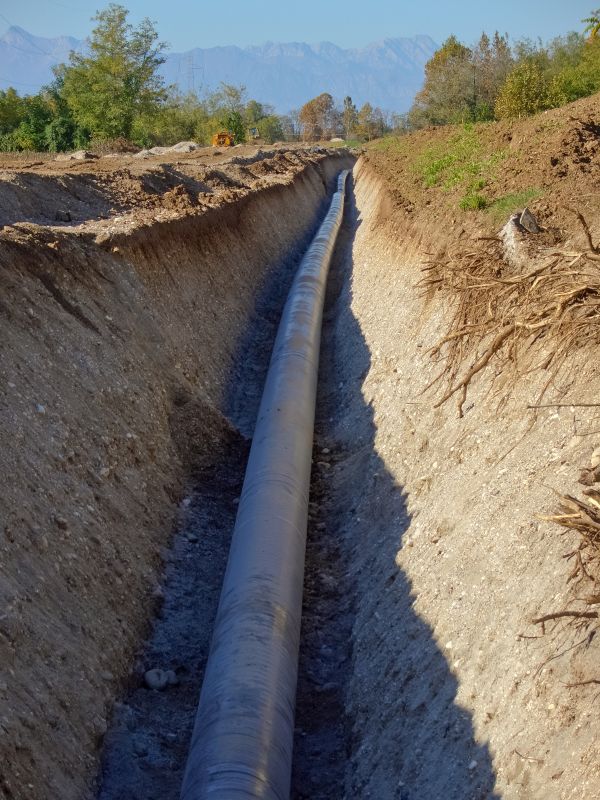
Estimated Price Range
$1,200 - $2,800 (smaller scope)
$3,500 - $7,000 (larger scope)
| Project Type | Typical Range |
|---|---|
| Basic Trench for Utility Lines | $1,200 - $2,800 |
| Drainage System Installation | $2,500 - $5,500 |
| Foundation Drainage Trench | $3,000 - $6,000 |
| Driveway or Pathway Trench | $2,000 - $4,500 |
| Septic System Trench | $4,000 - $7,000 |
| Retaining Wall Trench | $3,500 - $8,000 |
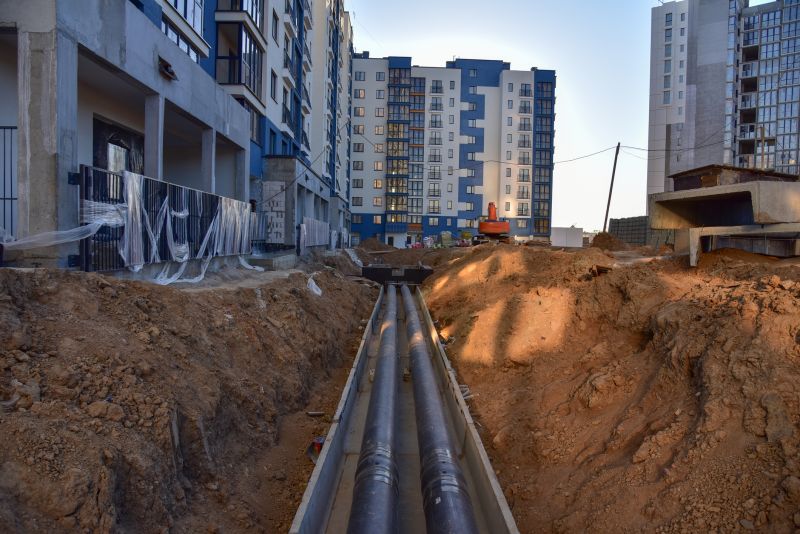
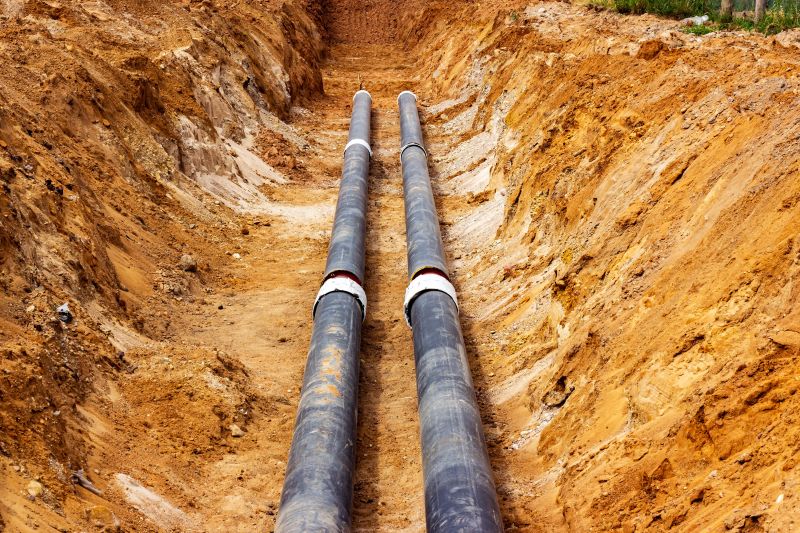
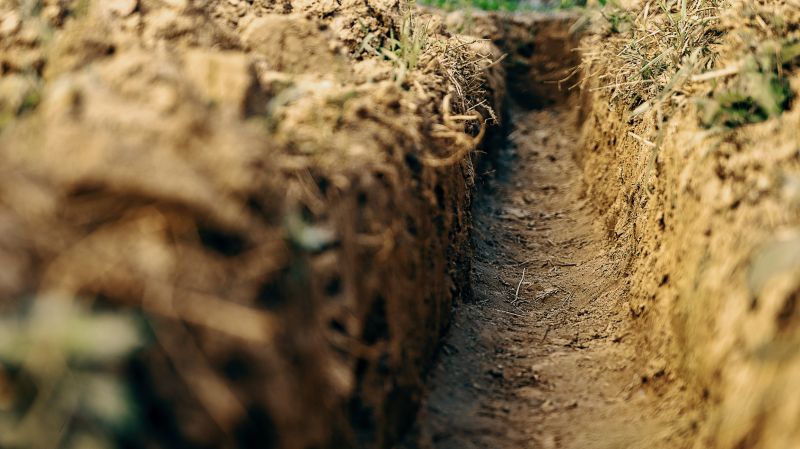
Material quality, trench depth, and site conditions influence costs.
Trench installation projects in Seattle, WA, typically involve excavating and installing underground utilities, drainage systems, or conduits. The scope and complexity can vary based on project requirements, site conditions, and local regulations. Understanding common factors can help in planning and comparing options for trench work.
- Materials: Common materials include PVC, corrugated metal, or concrete pipes, selected based on purpose and load requirements.
- Size and Scope: Trench dimensions vary from narrow pathways for cables to extensive excavations for utility lines, often ranging from a few feet to several hundred feet in length.
- Labor Complexity: Factors such as soil type, depth, and accessibility influence labor effort and equipment needs, affecting overall project complexity.
- Permitting: Local regulations in Seattle often require permits for trenching projects, especially for utility and infrastructure work, to ensure compliance with city codes.
- Extras: Additional considerations may include backfilling, surface restoration, erosion control, and inspection requirements, depending on project specifics.
Project size impacts overall pricing and duration.
| Scope/Size | Typical Range |
|---|---|
| Small residential trench (e.g., utility line) | 10-50 feet |
| Medium trench (e.g., water or sewer line) | 50-200 feet |
| Large trench (e.g., extensive utility infrastructure) | 200-500+ feet |
| Depth of trench | 3-8 feet |
In Seattle, the local soil conditions and underground utility regulations can influence trench installation costs and methods.